

The evolution of gambling a historical journey through time
The Origins of Gambling
The origins of gambling can be traced back thousands of years to ancient civilizations. Evidence suggests that the practice began in China around 2300 BC with the use of rudimentary dice, often made from animal bones. The Chinese also developed the first known lottery, which was utilized to fund major government projects. This early form of gambling set the stage for a cultural acceptance of games of chance, akin to the best uk non GamStop casinos found today.

In addition to China, ancient Mesopotamia, Egypt, and Greece also played significant roles in the evolution of gambling. The Greeks introduced betting on athletic competitions, while the Romans expanded gambling activities to include various forms of wagering on gladiatorial combat. These activities were not merely pastimes; they were integral to social gatherings, highlighting the communal aspect of gambling that persists today.
The Rise of Casinos in the Middle Ages
The medieval period marked a significant evolution in gambling, with the establishment of the first modern casinos in Italy during the 17th century. The Casino di Venezia, built in 1638, is often regarded as the oldest continuously operating casino in the world. This era saw gambling begin to transition from informal settings into structured environments, creating an atmosphere that encouraged both social interaction and entertainment.
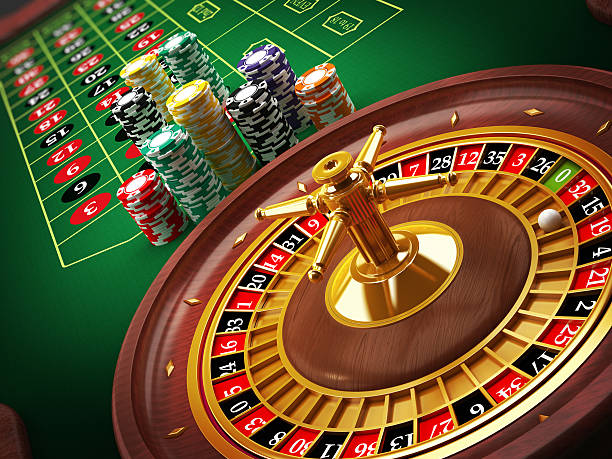
The proliferation of gambling houses across Europe contributed to a surge in popularity, leading to the development of various card games, roulette, and other gaming forms. Laws and regulations began to emerge, aiming to control the practice, indicating a growing recognition of gambling’s impact on society. The combination of elegance and risk attracted nobility and commoners alike, further embedding gambling into cultural traditions.
The Industrial Revolution and the Birth of Modern Gambling
The Industrial Revolution brought about dramatic changes, not only in society but also in the gambling landscape. The 19th century saw the rise of betting on horse races, which became a national pastime in many countries, particularly in England. This period also introduced the concept of betting shops, allowing people to wager on races without needing to be present at the track.
Additionally, this era witnessed the introduction of slot machines in the United States, revolutionizing the gaming experience. These machines offered a new form of chance, accessible to all, which contributed to the burgeoning popularity of gambling in America. The Industrial Revolution thus laid the groundwork for gambling as a massive commercial enterprise, setting a precedent for the modern gaming industry.
The Globalization of Gambling in the 20th Century
The 20th century marked a turning point in the evolution of gambling, particularly with the legalization of casinos in various jurisdictions. Las Vegas emerged as the gambling capital of the world, showcasing extravagant resorts and entertainment. This shift was driven by the desire for economic growth, with many governments recognizing the potential revenue from regulated gambling.
Globalization further transformed the gambling landscape. Online gambling emerged in the late 1990s, connecting players worldwide and offering unprecedented convenience. This digital revolution attracted a younger demographic, leading to the development of innovative gaming experiences and apps. The internet not only broadened access to gambling but also introduced new challenges regarding regulation and responsible gaming practices.
Looking Ahead: The Future of Gambling
The future of gambling is poised for even more transformation, driven by technological advancements and changing societal norms. Virtual reality and augmented reality technologies are set to redefine gaming experiences, creating immersive environments that simulate real-life casinos. Moreover, the rise of cryptocurrency is influencing payment methods, making transactions more secure and anonymous.
As gambling continues to evolve, so does the conversation around responsible gaming. With increased awareness of addiction and its effects, there is a growing emphasis on creating safer gambling environments. This balance between entertainment and responsibility will shape the future of the industry, ensuring that it remains a sustainable and enjoyable activity for all.